

Coffee market: more supply, but little room for disruption

More new-crop coffee is reaching the market, and Arabica prices are easing. That is welcome news for buyers, but the market is not yet comfortable: stocks available for prompt exchange delivery remain low, while weather could change expectations for the next crop.
More supply weighs on prices
Arabica is trading near 278 cents per pound and Robusta near USD 3,420 per metric ton. Growing Brazilian shipments and a stronger outlook for Vietnam's crop are putting pressure on prices.
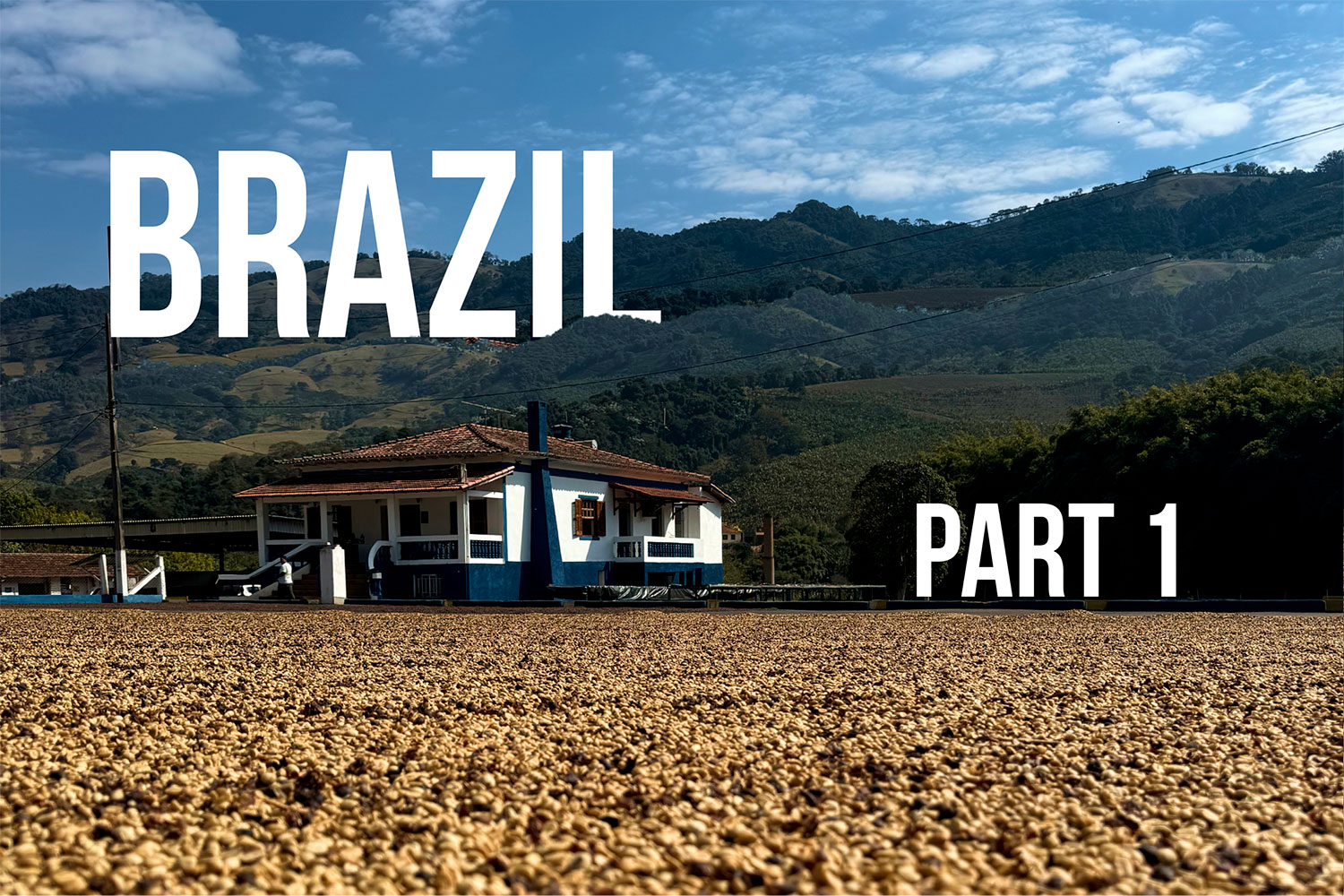
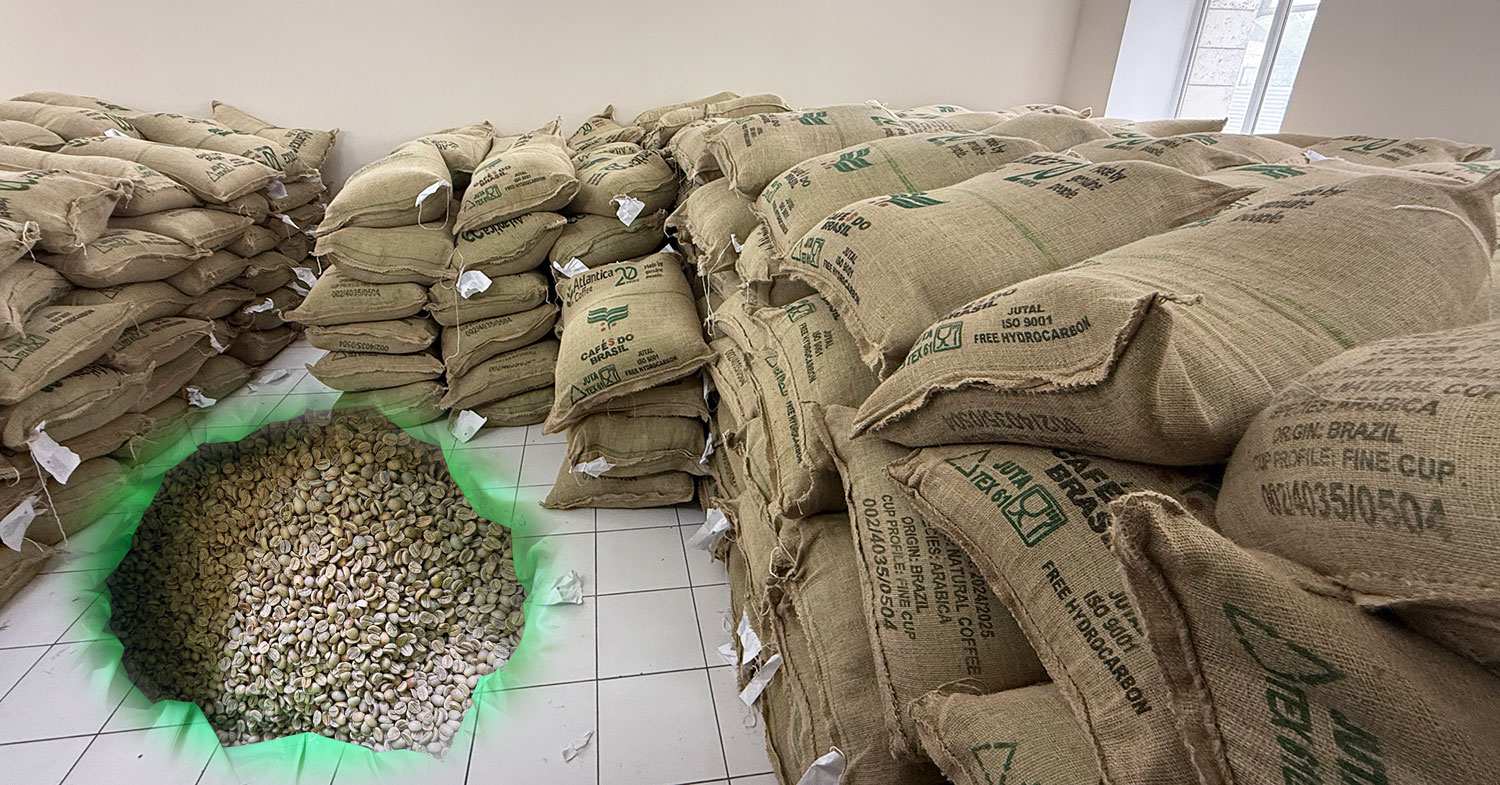
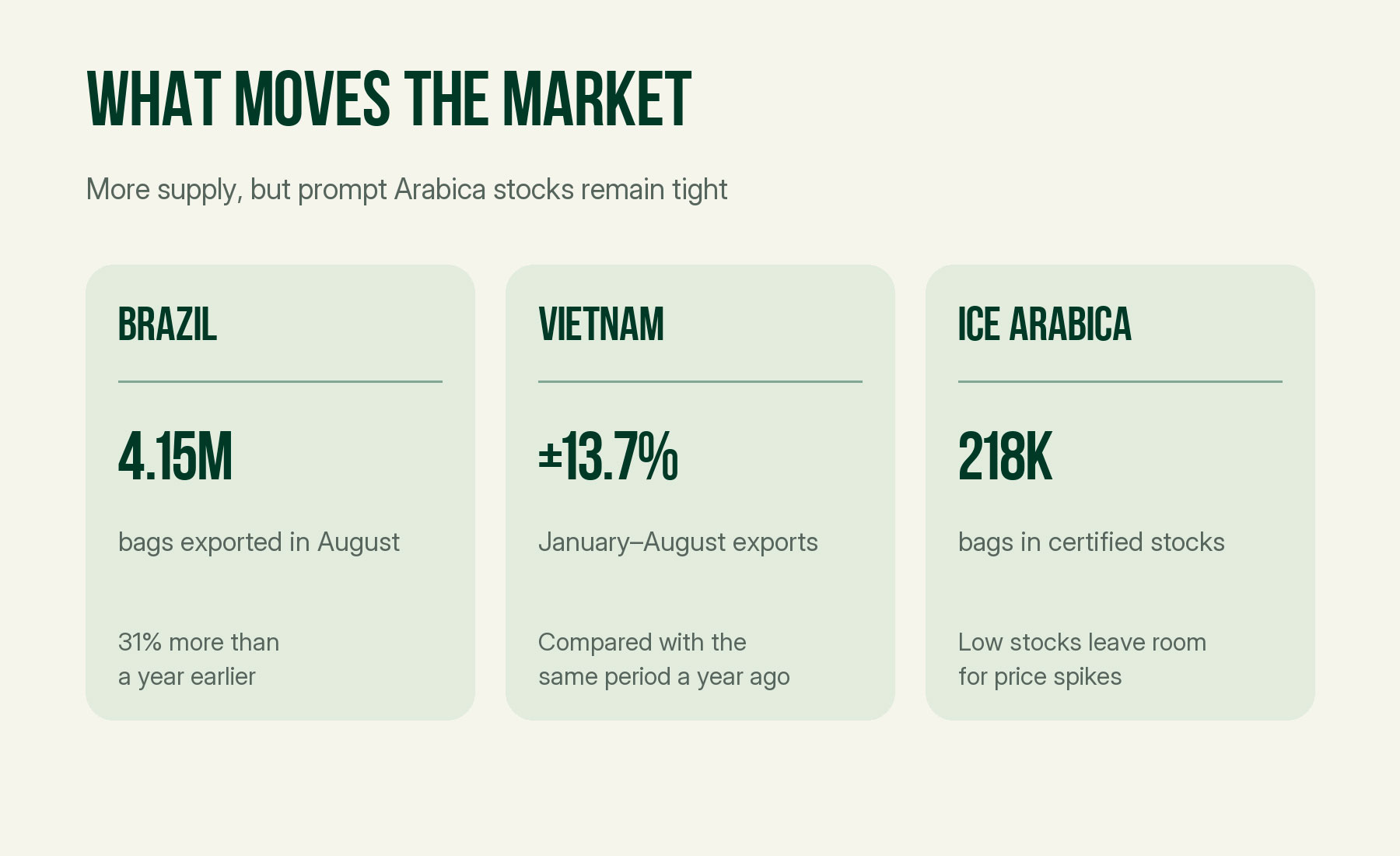
Brazil is playing a central role. The country exported about 4.15 million bags of coffee in August, 31% more than a year earlier. As the harvest finishes, more beans are reaching international buyers. Rain in coffee-growing regions has also helped flowering for the next crop.
There may be more coffee, but not every lot is available now
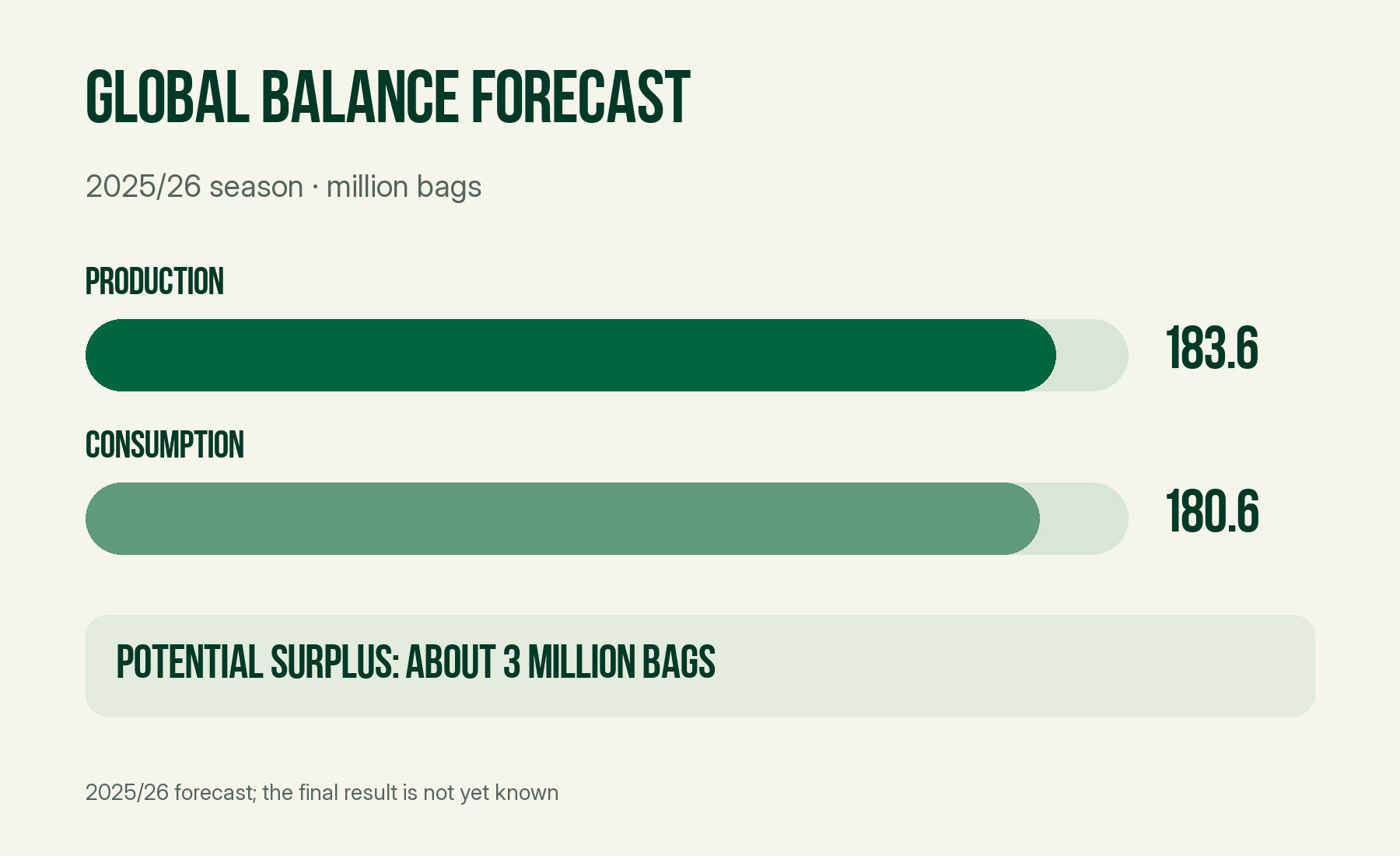
Global production for the 2025/26 season is projected at 183.6 million bags, against consumption of 180.6 million. If the forecast holds, supply will exceed demand by about 3 million bags. That eases concerns about an overall shortage and helps explain lower prices.
The global balance does not show how much of a specific coffee is ready to buy today. ICE-certified Arabica stocks stand at only about 218,000 bags. Even with a more generous harvest, individual lots can remain expensive or hard to source.
Weather remains the key question
Timely rain in Brazil has improved flowering conditions, but developing fruit will need follow-up rainfall. El Niño adds uncertainty: a shift in rainfall patterns could quickly change crop expectations.
Vietnam's coffee exports in January–August rose 13.7% from the same period a year earlier. Larger volumes of the new Robusta crop are expected from November. Until they reach the market, weather and limited nearby availability may still cause price swings.
For buyers, the practical priority is to look beyond futures prices and check the availability, delivery timing and terms of specific lots. Overall supply is improving, but the Arabica market still has little buffer against disruption.
Based on market reports by Central Coffee Roasting (CCR).